Pick the Mechanic Your Customer Understands at Checkout
Stamps work well when the repeat visit or transaction itself is the behavior you most want to reinforce. The customer sees simple progress: a qualifying visit means a stamp, and a set number means a reward. Points suit cases where basket value varies, or where you want to reward bigger spending proportionally. Neither mechanic is better for everyone — what matters is that it matches your actual buying pattern.
Start from a practical question: does most of your customer base buy something similar every time, or does the invoice change a lot? A coffee shop with a repeat, similar order may find stamps easier; a shop with widely varying baskets may get more out of points. Waya can run stamps and points, updating the card digitally either way, but don't mix the two before your team has mastered a single rule.
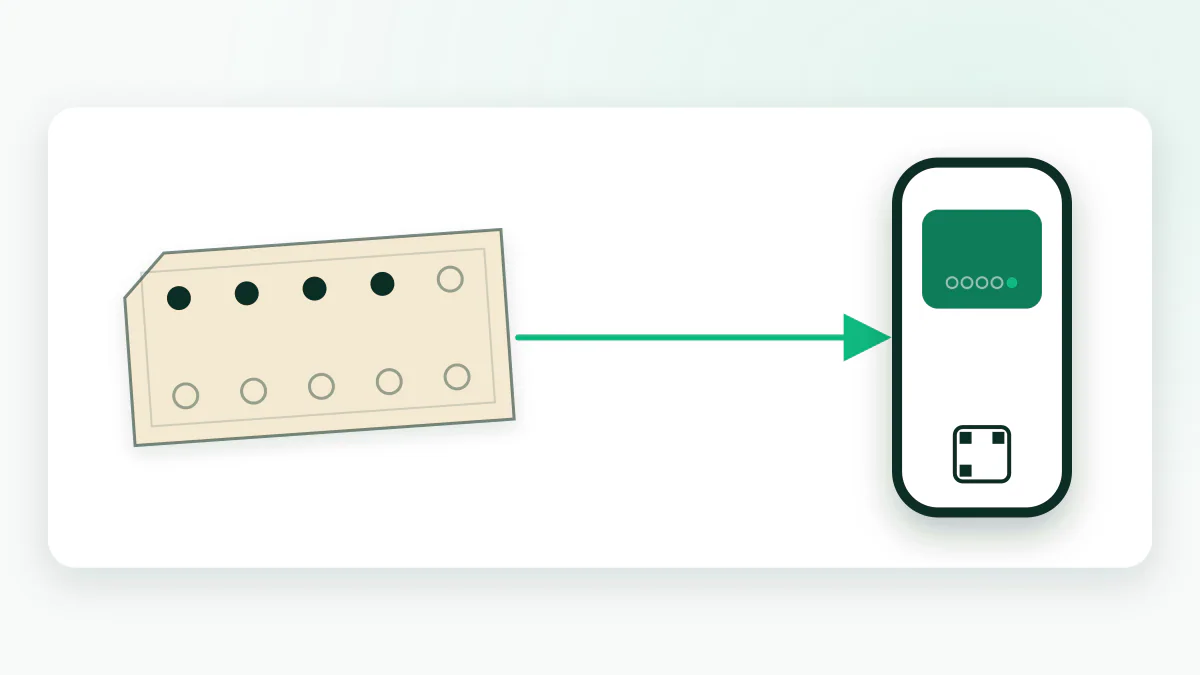
When Are Stamps the Natural Choice?
Choose stamps when the visit itself has value, like a daily drink or a repeat service around the same price. The cashier doesn't need to calculate a point value, and the customer can see the distance to a reward quickly. Define what counts as a qualifying visit, so the team doesn't hand out a stamp for every small add-on or a canceled transaction.
Stamps set one clear threshold, so they may not suit a business that sells one very small invoice and one very large one. Don't solve that by piling on exceptions. You can limit stamps to a specific category, or move to points if spend variation is a core part of the business. Explain to the customer what they get on completion before they sign up.
- A repeat visit with a similar price each time.
- One reward that's easy to describe.
- A short amount of cashier time.
- Customers who can see progress visually.
- Few exceptions, and ones you can state clearly.
When Do Points Give You a Sharper Decision?
Points let you reward spend or different purchase categories without treating every invoice the same. A shop can define how points are earned on qualifying transactions, then set a balance or rewards at published levels. Don't use points to obscure the reward's real value — the customer needs to know what the points actually mean in practice.
Points need more training: when are they added, on the price before or after a discount, and are some products excluded? If you can't write the answer as a short rule, simplify it. Use points when they add real fairness and clarity, not just because the system happens to support them.
| Situation | Stamps | Points | Closer decision |
|---|---|---|---|
| Similar invoice size | Easy and clear | Can feel like overkill | Stamps |
| Varied invoice size | Can feel unfair | Tracks spend | Points |
| A quick visit | A simple scan | Needs a rule | Usually stamps |
| Several price tiers | More exceptions | More flexible | Points |
| A new team | Short training | A longer explanation | Start with stamps |
Design the Reward Before You Choose the Unit's Name
Don't start from how many points to give — start from what reward your business can deliver consistently. If your reward is a fixed balance after a set spend, points may be useful. If it's 'after a number of visits,' stamps match the promise directly. Set the reward's cost and cap first, then check reward thresholds that protect your margin if you go with points.
One example: a shop gives a stamp for every qualifying coffee order and offers a specific drink after 6 stamps. Another example: a shop awards points on qualifying invoices and offers a balance past a published limit. These numbers aren't a universal recipe — check your own visit frequency and cost before you print or send anything to customers.
- Review your invoices
Look at how much your typical purchase actually varies.
- Pick the reward
Choose a benefit and a cap you can actually deliver.
- Write the rule
Define the qualifying transaction and any exceptions.
- Train the cashier
Practice scanning, granting, and redeeming together.
Don't Handle Every Customer With a Special Rule
A customer with a small purchase may ask for the same reward as one with a large invoice, or the other way around. Don't adjust the mechanic at the register for every case — it wears down trust in the rule. Keep the general rule public, and use a limited, approved manual grant for a genuine exception, like a service recovery, not as a substitute for good design.
Waya supports manual credit and staff permissions, so a manager can handle a documented exception without giving everyone the ability to change balances. Watch how often those exceptions happen; a pattern of them is a signal that your stamps or points mechanic doesn't match your actual sales pattern and needs a second look.
Start With One Mechanic and Measure How Clear It Is
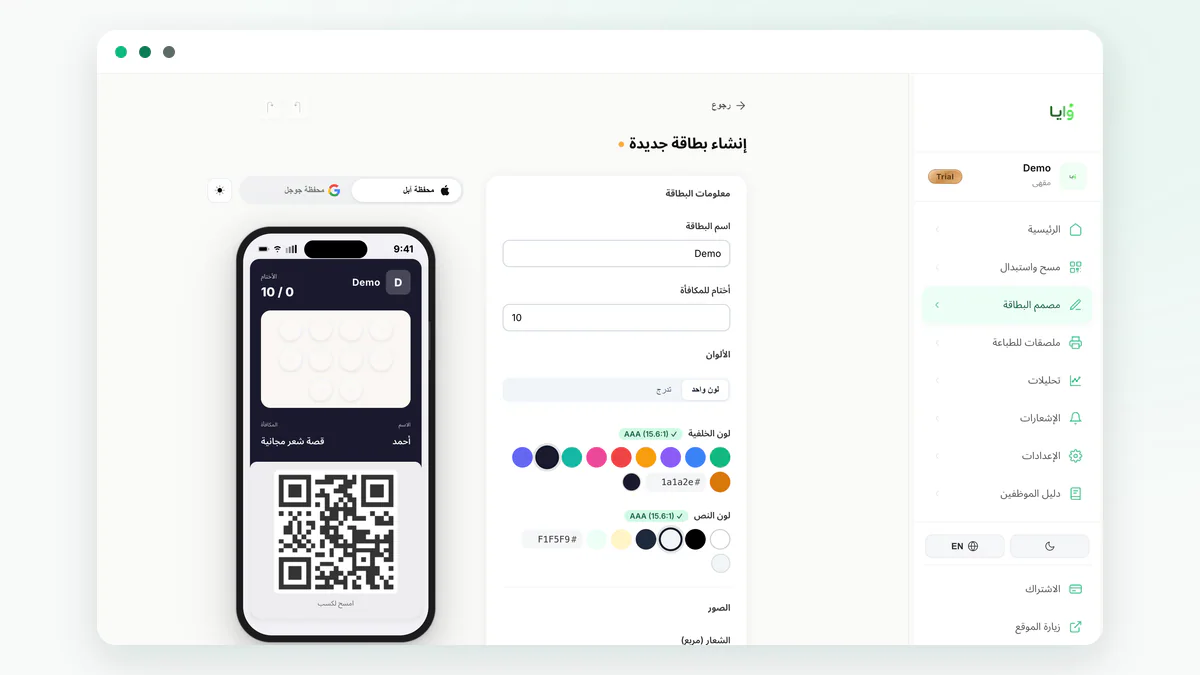
Build one clear card, place a QR code at checkout, and decide who grants credit and when. The customer doesn't need to download an app — they save the Waya card to Apple Wallet or Google Wallet and show it on the next visit. In week one, watch how often customers ask how to earn, and how often staff need a manager to step in.
If the answers come easily and redemption happens as expected, keep the mechanic for a reasonable stretch before changing it. If a varying basket size starts to feel unfair, move with a published plan, not a sudden change. Review how a loyalty program works to build the full path before adding any more complexity.
Frequently asked questions
Are stamps better than points for a café?
Usually, stamps suit a repeat visit with a similar-priced order, but check your own actual sales pattern before deciding.
Can I switch from stamps to points later?
Yes, with a clear announcement and a plan for stamps already earned, so members aren't caught off guard.
Can I grant more than one stamp on a single invoice?
You can, if the rule is written and simple, but one stamp per visit is usually the clearest option.
Do points mean a cash discount?
Not necessarily — they can be tied to a balance or a specific reward, based on your own rules.
Does scanning require special hardware?
No, staff can scan the customer's card with an ordinary phone.