Start From the Reward's Job, Not the Catchy Name
Cashback works well when you want the customer to see a balance that reads close to money, one they can spend under your rules — especially if your baskets vary a lot. Points give you more room to build thresholds, specific rewards, and a visible sense of progress. Neither one is actually cash; what shapes the experience is what you let people redeem it for, and when.
Ask first: do you want to lower the price of a later purchase, steer redemption toward one specific reward, or encourage another visit? If margin swings a lot between categories, don't hand out the same percentage everywhere without a deliberate exception. Read how a loyalty program works to settle on the path before you pick a name for the balance.
Run the Numbers on One Concrete Example
Say a qualifying invoice is 200 SAR, and your cashback policy pays 5% back as balance. The customer earns 10 SAR of balance — not 10 SAR in cash outside your program. If they redeem that balance on a later purchase, check the cost of whatever you're handing over for it, and decide up front whether it can stack with other discounts.
In a points alternative, say you award 1 point per SAR spent and offer a 15 SAR reward at 300 points. The customer who just spent 200 SAR hasn't hit the threshold yet — some owners like that, because it gives a reason to come back — while a different customer might prefer the instant balance a cashback card gives them. Don't treat either example as a guaranteed profit number; check your own margin and actual redemption rate before you commit.
| Decision | Points | Cashback | Operational risk |
|---|---|---|---|
| Understanding the value | Needs a conversion rule | Reads as direct value | An unclear promise |
| Steering redemption | Flexible toward specific rewards | Flexible as a balance | Stacking with other discounts |
| Controlling margin | Thresholds and categories | A rate or a cap | Low-margin categories get squeezed |
| The next visit | A farther-off goal | A balance that feels close | Redeemed fast without enough visits |
Design the Exceptions Before the Customer Earns Any Credit
Decide up front whether the rule covers every category or only specific ones, and whether it applies to an already-discounted purchase. Cashback needs a clear list of what's excluded and what rate applies where margin is thin. Points need the same decision, but carry an extra challenge: turning a point balance into a reward the customer actually understands.
Don't handle a low-margin category by burying the exception at the bottom of a message. It's better to say plainly that some products don't qualify, or earn at a different rate, when that's genuinely necessary. Train the team that an exception isn't something to negotiate at the register — it's a published rule, with an escalation path for a real technical error or an unclear transaction.
- Decide when the balance shows up after checkout.
- Publish which categories are excluded, if any, before the first customer earns credit.
- Keep the balance separate from cash if that's your policy.
- Set a cap or excluded categories where you need one.
- Don't stack multiple offers without a published rule.
Watch Accumulating Cashback and Small Balances
A small, clear cashback balance can make it easier to bring someone back — but it can also train the customer to expect it can cover something every single time. Set a minimum for redemption, a maximum share of the invoice it can cover, and, if you use one, an expiry date. Don't leave the cashier deciding on the spot whether the whole balance can be applied.
Points soften this expectation when the reward is a threshold or a specific product, but they stop working once the numbers get large and meaningless. Show progress toward a reward in plain language, and don't create dozens of conversion tiers. Either way, watch whether customers ask about their balance more than they ask about the product — that's a sign the rule needs simplifying, not another reminder message.
Compare the Customer's Experience With Your Books
A customer may prefer cashback because it reads as something close to currency — but that also raises the stakes of any discrepancy in the balance or any expiry. Points can feel less direct, yet they let you offer rewards that aren't priced purely in cash. The decision shouldn't come down to which one looks better in an ad; it should come down to what your team can explain and correct when a customer questions it.
Keep an internal log of balance earned, used, and adjusted, and review it regularly with whoever handles the money side of your business. This guide is operational, not accounting or financial advice. If you run more than one branch, standardize the rule and the permissions, so a customer doesn't earn a balance at one branch and get a different explanation at another.
Launch One Model, Then Decide From the Data
Start with one simple model for a fixed period: a point per a clear amount spent, or a cashback percentage with a defined cap. Test it across a range of categories and basket sizes, and log the questions, the adjustments, and how redemption interacts with promotions. Don't change the earn rate, the redemption threshold, and the message wording all at once — you won't know afterward what actually moved the needle.
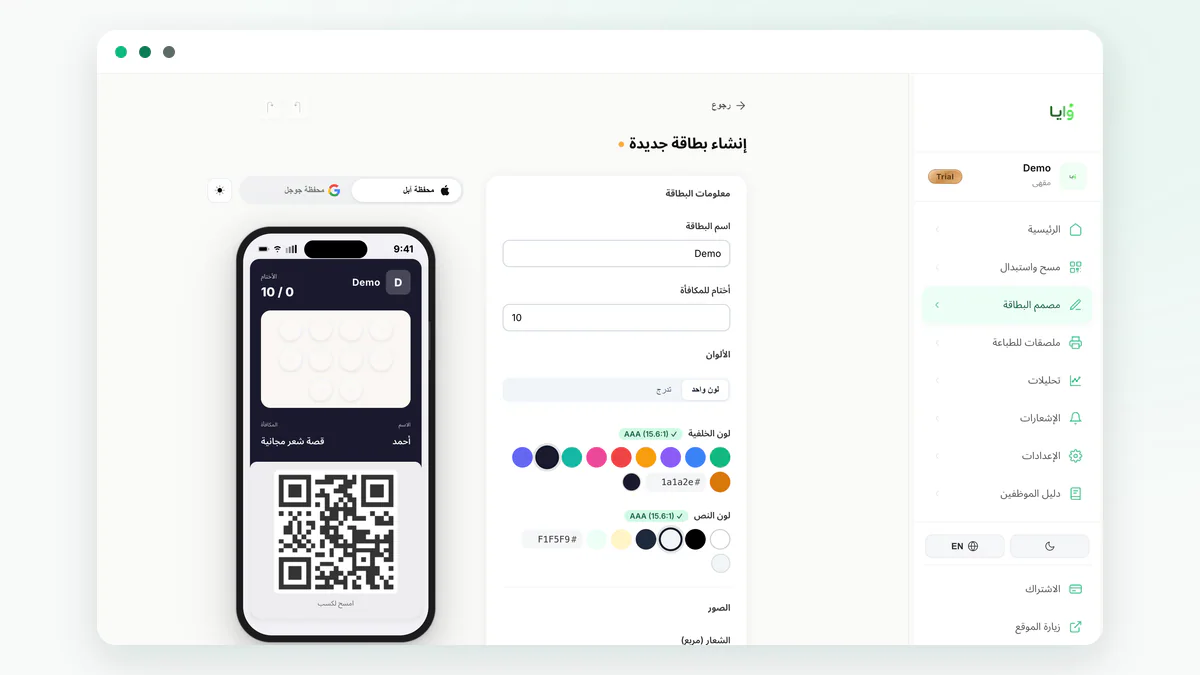
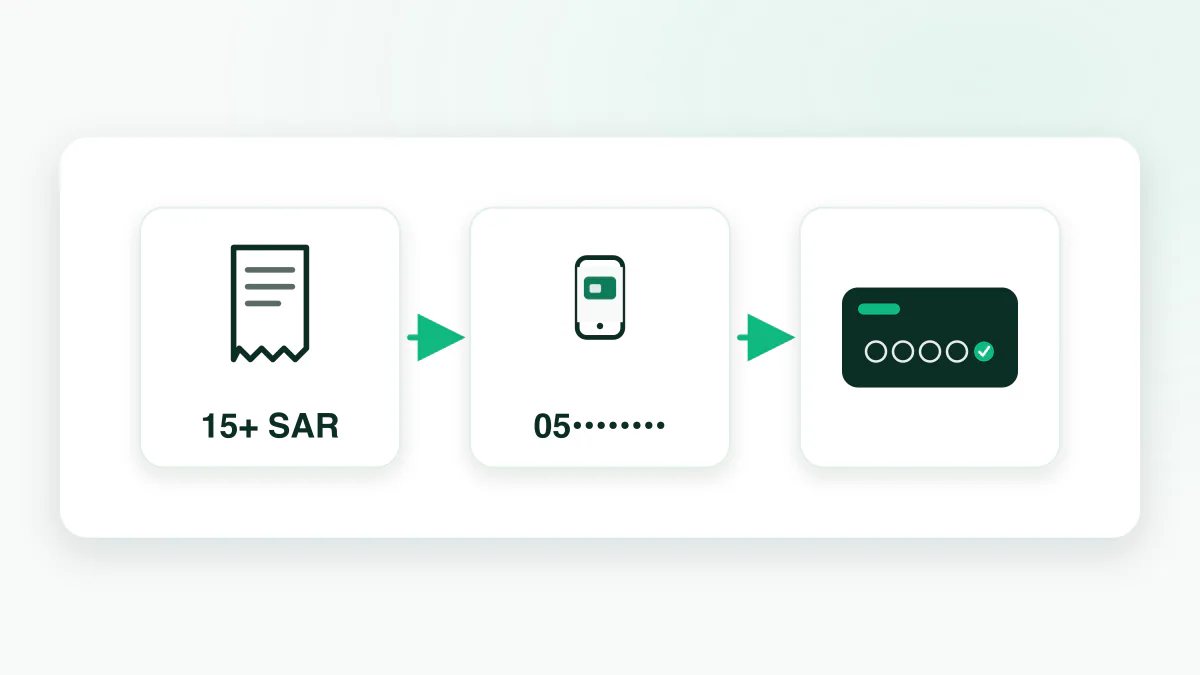
Waya supports points, cashback, and manual rewards on a digital card in Apple Wallet and Google Wallet, with live activity analytics. On Premium, connecting your accounting or POS system means a qualifying paid invoice — 15 SAR or more by default, configurable — can add cashback automatically at a percentage you set, matched to the customer by phone number; it's off by default, so you turn it on when you're ready. Choose whatever fits your margin and your rules, not whatever promises the customer more than you can actually deliver. Check loyalty program ROI as a sanity check on your assumptions, then document the earn-and-redeem policy before you expand the program.
- Map your categories
Find out where margin and basket size actually differ.
- Pick one rule
Lock a percentage or a point conversion people can restate.
- Test redemption
Run the scenario on an invoice with a promotion applied.
- Review the questions
Simplify whatever the cashier can't explain quickly.
Frequently asked questions
Does cashback mean the customer receives actual cash?
Not necessarily. Define in your terms whether it's a balance usable only inside the program, and how and when it can be redeemed.
What works best when margin varies a lot between products?
Use clear categories or exceptions, or points with a published conversion rate, instead of one flat percentage that won't fit every product.
Can I stop cashback from stacking with a sale?
Yes, as long as the rule is published and your point of sale can apply it consistently.
Does cashback expire?
Only if you set an expiry date — state it clearly up front, along with the minimum balance needed to redeem.
Can I change the point value later?
You can, but announce the effective date and protect existing balances with a clear transition rule so nothing feels arbitrary.