Getting the boutique customer back for the next collection
A boutique loyalty program works when it turns "I want to see the new collection" into a habit, not when it hands out the same discount on every item. A boutique customer might buy one look for an occasion, or add pieces every few weeks, while sizes, colours, and seasons keep changing underneath her. What she needs is a simple rule that follows her from the first visit to the day she comes back for the next story.
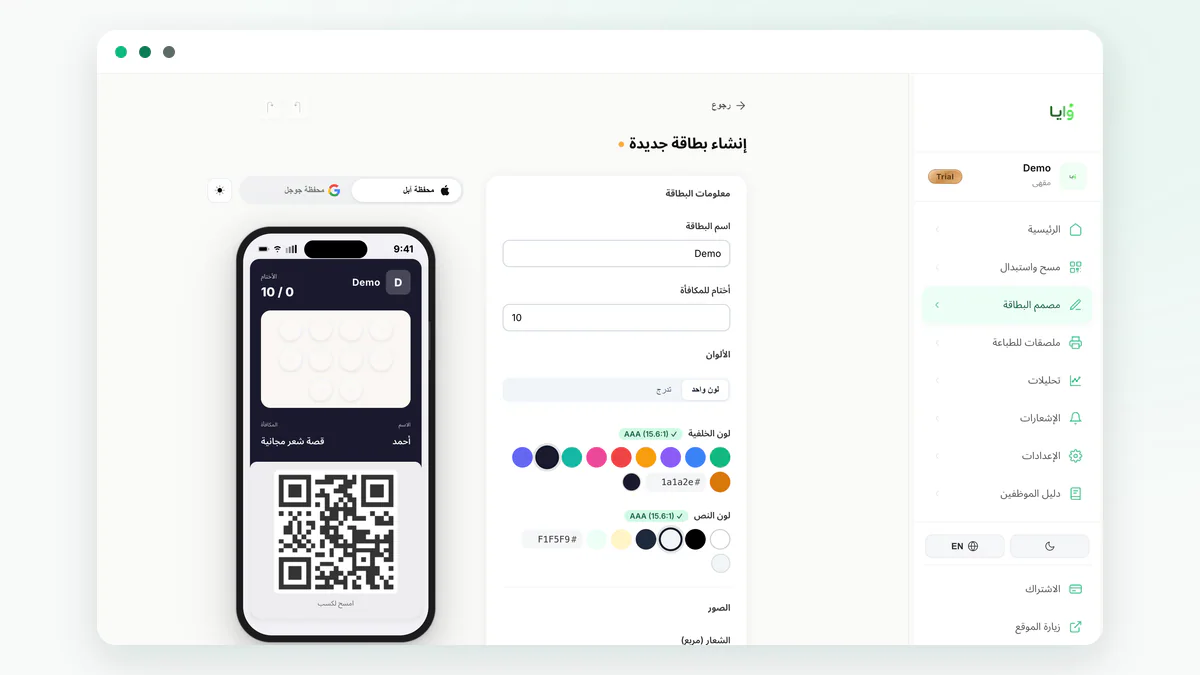
With Waya, the customer joins by scanning a QR code and keeps the boutique's card in Apple Wallet or Google Wallet on the phone she already carries — no store app, no new password. Staff can log points, stamps, or a manual reward whenever a purchase qualifies, and you read the actual activity from the dashboard instead of guessing at the end of the season.
Points that protect the boutique's margin
Boutique margins move with brand, size, and seasonal markdowns, so avoid a rule that hands a large reward on a piece that is already discounted. Split the offer in how you write it, not necessarily in the system: points on regular purchases, and a reward with a cost you can calculate on new-season pieces. When the basket grows with coordinated pieces, the reward can be a small add-on or credit for later, instead of an instant price cut that eats today's margin.
Keep points on full-price purchases separate from seasonal markdowns. That way the customer understands her balance is a reward for returning for the next collection, not a reason to wait for a sale instead of buying the right piece now.
- Write a rule your cashier can explain in one sentence — see stamps versus points for how to pick between the two: earn on full-price pieces and cap what the credit covers.
- Decide up front whether the credit applies to marked-down pieces, returns, or limited collections, and say so.
- Review the rule after two full collections so you're measuring return visits across seasonal stories, not inside one clearance.
- Keep end-of-season markdowns separate from the return reward so the customer understands what each path is for and when.
Show the card right after you style the look
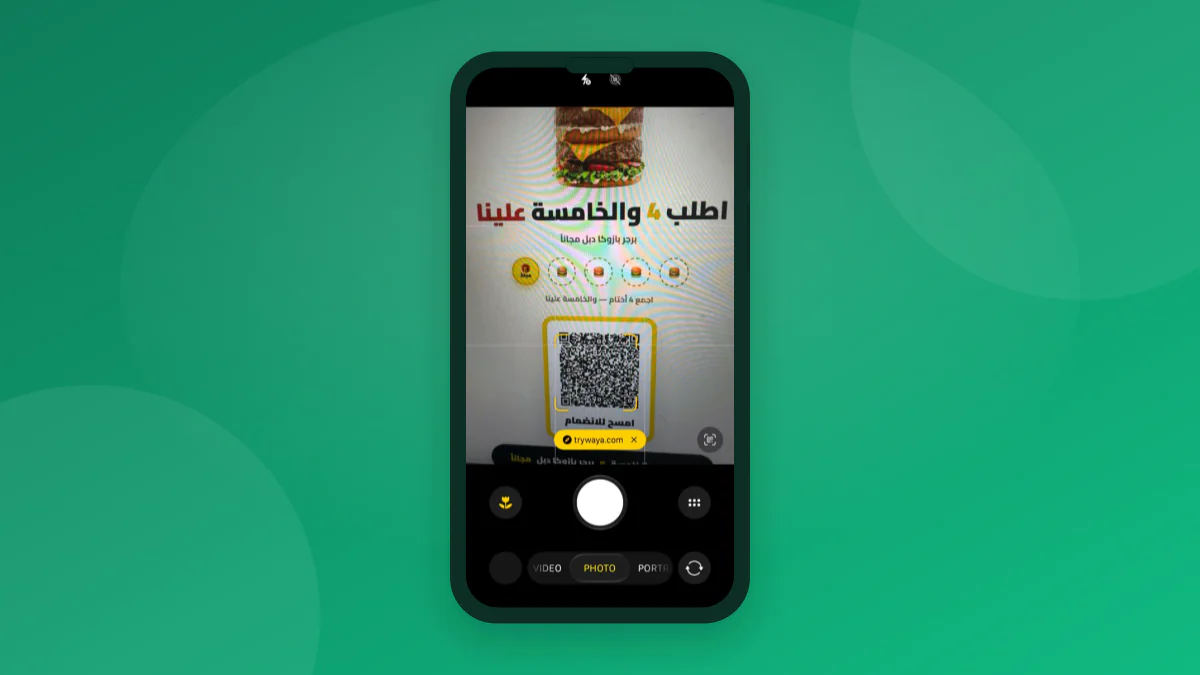
In a boutique, the best moment to invite someone to join is after a staff member has complimented her choice or finished coordinating the pieces, and before checkout. A simple line works: "This look will earn you points on the boutique's card." She scans a QR code, adds the card, and the cashier scans it back from an ordinary phone. Don't ask staff to explain every rule — let the card and a short message carry the detail.
The card opens from the customer's own wallet, and the cashier scans it with a regular phone to record the credit. The flow needs no extra app from the customer and no technical link to a point-of-sale system, which keeps it workable during a busy fitting-and-payment rush.
- Define which pieces qualify
Decide up front how full-price items, markdowns, and multi-piece sets are treated before training the team.
- Show the QR code after styling
Place the code near wrapping or checkout, where the customer has a moment to scan without interrupting the fitting.
- Train the boutique team
Use one short line to invite a scan and one consistent way to scan the customer's card back.
- Fix returns and exchanges
When a piece is exchanged or returned, adjust the points on the original purchase to match boutique policy.
Reward models for a clothing purchase
Pick the model that matches how your collections turn over and how basket sizes swing, not a rule built for a store that sells the same items all year.
| Model | Timing | Benefit | Watch for |
|---|---|---|---|
| Points on purchase value | Year-round | Fits uneven baskets | Exclude clearance if needed |
| Credit for a later visit | After a new collection lands | Encourages a return | Set a use-by date |
| Complete-the-look reward | On a full outfit purchase | Helps with styling | Confirm stock first |
| Preview invitation | Before a season launches | Personal touch | Never promise a hold you can't keep |
What this looks like for abayas, shoes, jewelry, watches, and handbags
"Clothing boutique" covers a wide range of shops that all run the same card with small adjustments. An abaya shop can time credit around fabric and cut launches rather than a fixed calendar date. A shoe store can reward a completed pair rather than a single shoe, and build in a half-size exchange without losing the earned points. A jewelry or watch store sees a slower repeat cycle and a higher average ticket, so a small, clearly capped credit toward a later piece tends to hold up better than a steep percentage off. A handbag shop can pair the reward with a seasonal drop the same way a clothing line does. A tailor built around fittings and custom orders should record the reward once the order is complete and collected, not at the deposit stage.
The card, the QR code, and the dashboard stay the same across all of these; only the rule you write — what counts, when a reward is earned, and what it's worth — changes to fit the shop.
A boutique season calendar, not a blanket message
Split the year into purchase stories: a new collection launch, a travel season, family occasions, then a planned markdown. Don't send the same notification to everyone every time. Someone who bought at the start of a season might respond to a reminder about a complementary piece, while someone who hasn't been back in a while needs a different invitation. Wallet notifications are a channel, not a substitute for choosing the right message and the right moment.
Send the message before a collection launches or before a travel or occasion season, and mention something specific the customer can see or use. Someone who bought early in the season doesn't need the same notice as someone who hasn't visited in months.
Reading repeat purchases in the boutique
Compare sign-ups each week against your actual traffic source, then watch who comes back within the same season versus who returns when the next collection lands. Also track whether the reward drives an added purchase or only a straight redemption. If sign-ups jump at one cashier, the reason may be her clear phrasing — share it with the rest of the boutique team before you change the offer.
Compare similar periods, and collect the team's notes on questions or scan issues before you change the rule.
- Cards added right after styling a look, measured against boutique invoices — see how to measure repeat purchase rate.
- Return visits when a new collection arrives, not only during a markdown period.
- Credit redeemed on full-price pieces, and its effect on collection margin.
- How many point adjustments come from a returned piece or a size exchange.
Launch boutique loyalty in a week
Start with one reward that doesn't conflict with end-of-season markdowns, and put its rules somewhere the team can check. Spell out excluded products or periods clearly, and train staff to offer the card right after they finish styling a customer's choice. Run the trial for a week, and review scans and redemptions before adding seasonal messages or more complex rules.
Waya lets the boutique run this in Arabic or English, with cards that carry the boutique's own branding inside Apple Wallet and Google Wallet. You can work without connecting a point-of-sale system, give staff the right permissions, and review results from one dashboard. The Free plan is there to test the idea — start small, test the rule at the counter, then widen it once the team and customers understand it.
- Before the collection arrives
Decide which full-price pieces earn the reward and test the phrasing with a boutique staff member.
- The following two days
Test the QR code, the scan, and the redemption with the team before inviting customers.
- After a week of real selling
Review sign-ups against fittings and returns, then adjust one thing before the next collection.
Frequently asked questions
Can a boutique run points and stamps together?
Pick one clear primary model first. Waya supports points, stamps, and manual rewards, but a clear rule matters more than offering every option at once.
How do I keep loyalty separate from markdowns?
Write the exclusions down explicitly, and tie the loyalty reward to an added purchase or a later visit rather than an automatic cut on every invoice.
Does the card work in Arabic and English?
Yes — Waya supports managing the program and the card in both Arabic and English.
Do I need a special scanner or device?
No. An ordinary phone at the counter is enough for the cashier to scan a customer's card.
Does this work for shoe, jewelry, or handbag shops too?
Yes — the card and dashboard work the same way; you just set the reward and eligible items to match that shop's ticket size and buying cycle.