Why an auto repair shop needs loyalty built on follow-up
The decision to return to a repair shop isn't like buying a quick product; the customer hands over their vehicle and pays for a technician's time and judgment, then remembers the experience when a new issue or a maintenance date comes up. A loyalty program helps when it makes an organized return easier and rewards commitment to the service, not when it hands out a general discount that can undercut the value of skilled work. A Waya card carries the shop's own branding inside Apple Wallet or Google Wallet, so it stays a practical reminder on the customer's phone.
The customer joins by scanning a QR code at intake or at pickup, with no shop app to download. Staff can scan the card with an ordinary phone and add points or a stamp once the service is closed out, even without connecting a point-of-sale system. This matters for shops that work on estimates and variable parts pricing: make granting the reward part of handing back the vehicle, after confirming what was actually completed.
Pick a rule that rewards the behavior you actually want
Visits to a repair shop are spaced out, and invoice value swings between a simple check-up and a major repair, so one rule won't fit every case. You might award points based on the paid value of the work, a separate reward for a routine inspection, or credit toward supporting services like a safety check. Clarify from the start whether spare parts count toward the total, because leaving that vague tends to turn into a dispute at the counter.
Think about the margin before you set the return. As a worked example only: if a particular check-up earns about 60 SAR in profit, a service-based reward worth around 15 SAR in operating cost may hold up better long-term than an open cash discount. Review loyalty program ROI and write the cap and exceptions in short language the team can commit to.
| Rule | Serves what | Fits | Operational note |
|---|---|---|---|
| Points on labor | Uneven invoices | Scheduled repairs | Define included items |
| Stamp for a check-up | Preventive return | Routine inspection | Don't grant before the work is done |
| Service credit | Later use | Supporting services | Set a redemption date |
| Referral reward | New customer | A trusted service | Verify the referral manually |
Arrange intake and pickup without slowing the work
The moment a work order opens is usually busy with questions, so don't make sign-up a condition of starting the inspection. Post the QR code in the waiting area, and ask the front-desk staff to show the card after explaining the estimate, or at vehicle pickup. That way the customer has time to decide, and the technician doesn't have to handle a membership or a credit balance while working on the job.
Set clear permissions: front desk logs the membership and approved points, while only a manager handles adjustments or exceptional rewards. Waya supports branches and staff permissions, which helps a multi-location shop keep the rule consistent instead of letting every shift interpret it differently. Test the scenario with a vehicle that needs a follow-up part and with a customer who wants to redeem on the same visit.
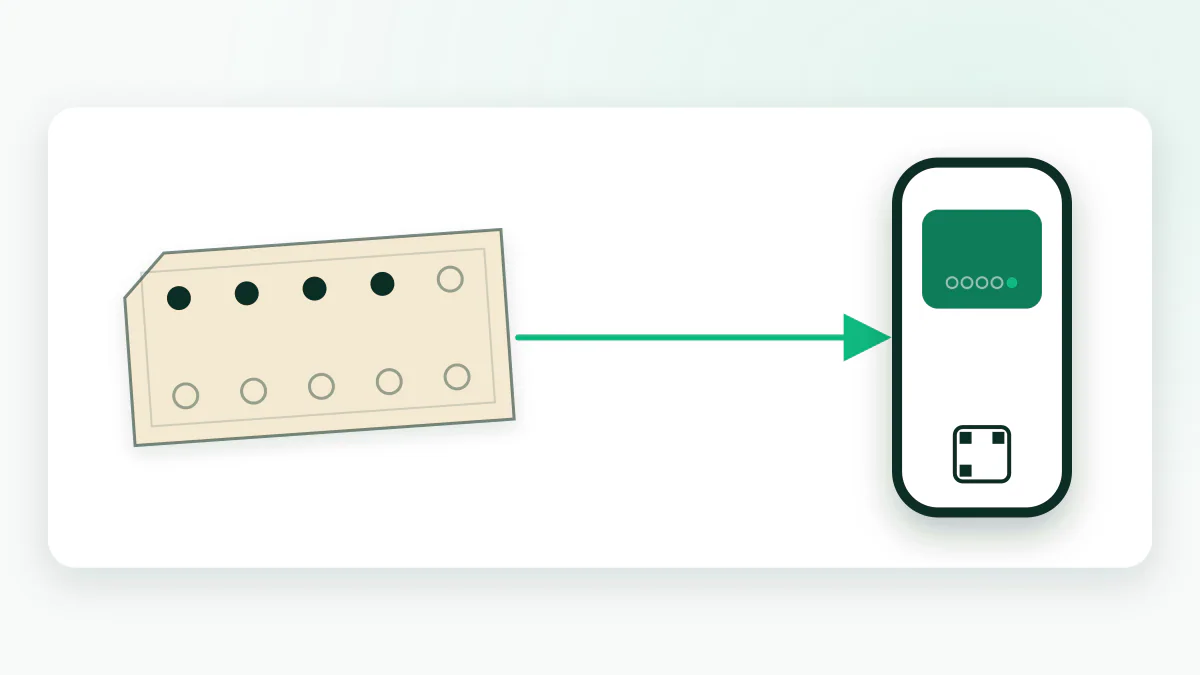
- Set up the front desk
Place the QR code near the waiting area with a line that explains the card's benefit.
- Close the work order
Add the reward once the service is approved and the vehicle is handed back.
- Document the exception
Route any manual adjustment to one named person.
- Review the shifts
Compare sign-ups against front-desk services weekly.
What this looks like for oil change, tyre, detailing, and rental
Auto repair overlaps with several related businesses that fit the same program with a smaller adjustment to the rule. An oil-change or quick-service shop usually sees a short, predictable interval between visits, so a simple stamp per completed change tends to work better than a points formula. Tyre shops can reward a completed set purchase or rotation rather than every small check. A detailing business can treat each package the way a repair shop treats a service tier — points on the invoice, with a credit toward the next detail. A shop selling spare parts can run points on paid invoices the same way a general repair shop does. Car rental and motorcycle shops usually see a longer gap between visits, so credit toward a future rental or service, or a referral reward, fits better than a frequent-visit stamp grid.
The membership card, the QR code, and the dashboard stay the same for every one of these; only the definition of a qualifying visit and how quickly it repeats should change.
Use reminders for the right moment, not every day
Wallet card notifications work well for reminding a customer about a check-up date or a seasonal service offer, but they aren't a substitute for a technician's estimate or diagnosis. Send a message when there's a clear reason, such as an approaching travel season or a follow-up check tied to previous work. Don't write that the vehicle needs a repair without an inspection; simply say the customer can book a check-up or visit the shop.
The message can differ between a new member who hasn't used their card and a member who's close to a reward. Keep the notification short and specific, and watch whether it leads to an actual visit or just sits on the screen. Wallet pass notifications explained covers how to keep a message clear and tied to your program.
- Remind about a known service or season, not an assumed fault.
- Mention the membership benefit without overstating it.
- Don't send the same text repeatedly.
- Pause the message if the shop can't handle the resulting demand.
Measure the quality of the return, not just card count
The number of members is a fine starting point, but it doesn't prove the program built a stronger relationship. Track how often members visit again, what share redeem the reward, and which services followed a reminder. Waya's analytics give you a picture that helps you compare across branches and shifts, without assuming every new visit came from loyalty alone.
If customers joined but never used the card, first ask whether the team explained the rule clearly or the reward feels too distant. If many redeem their credit on a service that strains capacity, change the reward type rather than cancelling the program. Don't change the rule, the messaging, and the QR placement in the same week — one change at a time is easier to read.
A launch plan for a shop focused on the long-term relationship
Choose one service that reasonably earns a reward, and write clearly what counts toward points and what doesn't. Train the front desk on one line, and test scanning the card at intake and at pickup before rolling it out to every branch. Keep a log of recurring questions — about parts, about the credit date, about where the card shows up — and turn the repeated answers into part of the training.
Waya gives your shop a branded loyalty card and supports points, stamps, cashback, and manual rewards, along with branch and staff management. Start with the Free plan if it suits your trial, then refine the rule from actual operations. A successful program for a repair shop is one that makes the next maintenance visit easier to remember, and keeps clear what the customer gets and what the shop expects.
Frequently asked questions
Does the customer need to download an app for the shop?
No. They scan a QR code and add their card to Apple Wallet or Google Wallet, then keep it on their own phone.
Do I need a point-of-sale system to run the program?
No. Shop staff can scan with an ordinary phone and grant points or stamps manually once the service is done.
Can I give points on spare parts?
You can set that rule if it fits your margin — what matters most is telling the customer and the team exactly which items are included before launch.
How do I handle more than one branch?
Waya supports branch management and staff permissions, which helps keep granting and redemption rules consistent across locations.
Does a notification mean the car needs a repair?
No. Use the notification as a general reminder about a service or date, and never use it to diagnose a vehicle you haven't inspected.